
Private skin-lesion assessment

Mole, Wart & Verruca Checks in Ipswich

Do not guess what a skin mark is. Start with an individual assessment, then discuss whether monitoring, treatment or an appropriate referral is the safest next step.

Contact your GP promptly if a mole is new or changing in size, shape or colour, or is painful, itchy, inflamed, bleeding or crusting. A cosmetic removal appointment is not a substitute for a cancer referral pathway.

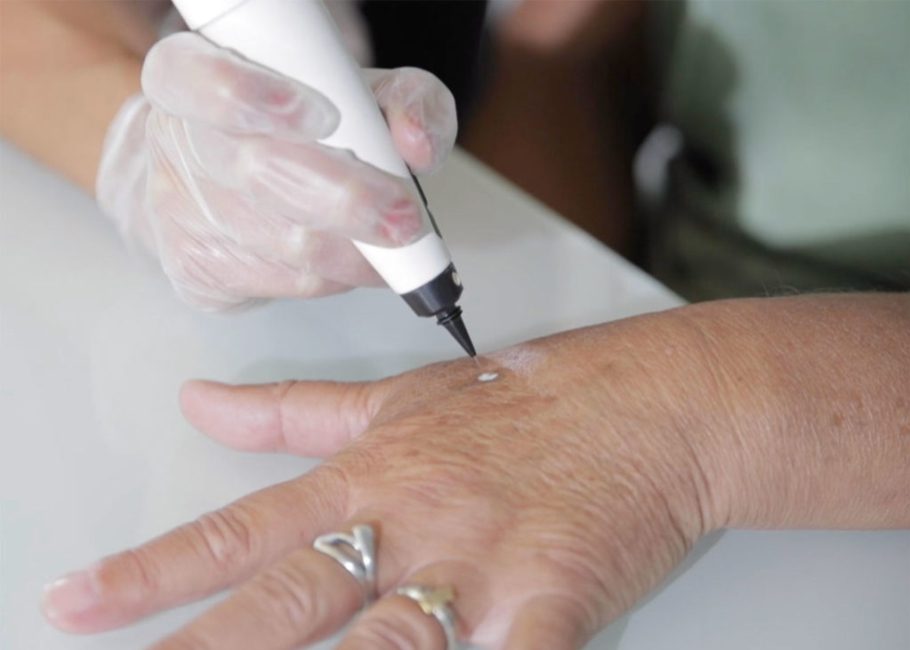
Handheld cryotherapy device being applied to a small skin lesion on a hand

When to contact your GP

Changing or unusual moles need a medical pathway

NHS guidance advises contacting your GP about a mole that changes size, shape or colour, becomes painful or itchy, or is inflamed, bleeding or crusty. Also seek advice for a new or unusual mark that does not go away after a few weeks.

Assessment first

Each lesion should be assessed before removal or destructive treatment is considered.

Not every mark is the same

A mole, wart, verruca, skin tag and other lesion can require different advice or treatment.

Clear next step

The outcome may be reassurance, monitoring, treatment discussion or referral.

No guaranteed removal

Treatment suitability, timing, method and likely result depend on the assessment.

Why assess first?

Treatment should not begin with a guess

Skin lesions can share visible features even when their causes and treatment needs differ. An assessment should consider appearance, location, symptoms, duration, change over time, medical history and previous treatment.

The appropriate outcome may be no treatment, self-care advice, monitoring, treatment of a confirmed benign lesion or referral to a GP, dermatologist, podiatrist or an urgent NHS pathway.

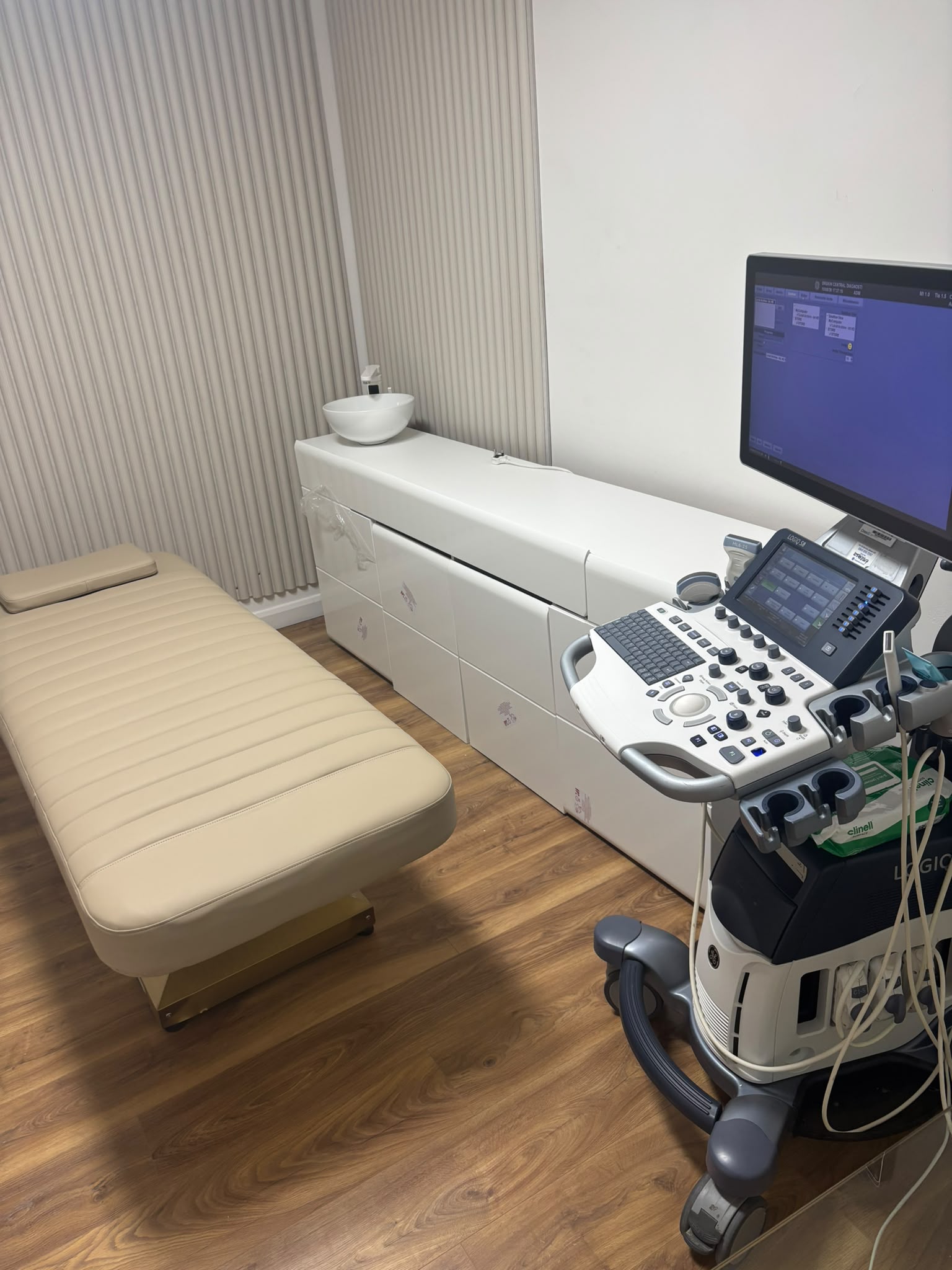
Ultrasound room at Dr Skin Central Diagnostics

Concerns that may be discussed

  • A new or changing mole
  • A common wart
  • A verruca on the foot
  • Several lesions to review
  • A recurring or painful lesion
  • A mark that bleeds or changes appearance
  • An uncertain skin lump or growth
  • A question about monitoring or treatment

Prefer WhatsApp?

Request a callback

Share your details and continue in WhatsApp with this page and service already included.

What can happen after the assessment?

The assessment should end with a clear explanation of what is known, what remains uncertain and what should happen next. A benign lesion may be suitable for treatment, while another may be better monitored or referred.

If the lesion has suspicious features, destructive cosmetic treatment should not proceed because it can remove tissue without the right diagnostic process. The clinician should explain the appropriate referral or investigation route.

  • Reassurance and self-care advice
  • A monitoring plan, including what changes to watch for
  • Discussion of treatment options for a confirmed benign lesion
  • Referral to a GP, dermatologist, podiatrist or another appropriate service
  • Urgent NHS assessment where concerning features are present

Warts and verrucas

Warts and verrucas are common skin growths caused by a virus. A verruca is a wart on the sole of the foot and may be painful on a weight-bearing area. Many resolve without treatment, although this can take months or years.

Treatment is not always needed and no method guarantees permanent clearance. Pharmacy treatments may be appropriate for some people, while a large, painful, recurrent, facial or genital lesion, or one that bleeds or changes, needs professional advice.

How to prepare for a skin-lesion appointment

Make a note of when the lesion appeared, how it has changed, any pain, itching or bleeding, and treatments already tried. If possible, bring dated photographs showing change over time.

Tell the clinician about medicines, allergies, diabetes, circulation problems, immune suppression, pregnancy, bleeding risk, abnormal scarring and previous skin cancer. These details may affect advice or treatment suitability.

If treatment is considered appropriate

Treatment should only be discussed after the lesion has been assessed as suitable. The clinician should explain the proposed method, expected benefit, alternatives, number of sessions, fee, aftercare and what happens if the lesion returns.

Do not assume treatment will happen at the first appointment. Some lesions need further review, a specialist opinion or a different pathway before any removal is considered.

What should I know about cryotherapy?

Cryotherapy freezes a suitable superficial skin lesion. It can sting and the treated area may become red, swollen, sore, itchy, blistered or crusted. Healing time varies and repeat treatment may be needed.

Possible complications include infection, scarring, recurrence and a lighter or darker patch of skin, which can occasionally be long-lasting. Ask which method the clinic offers and what aftercare and follow-up are included.

How can I reduce the spread of warts and verrucas?

Warts and verrucas can spread through close skin contact or contaminated surfaces, particularly when skin is wet or damaged. Avoid picking or scratching them and wash your hands after touching one.

Do not share towels, socks or shoes. Cover a wart or verruca when swimming, change socks daily if you have a verruca, and avoid walking barefoot in communal areas.

Based in Ipswich

Private skin-lesion assessment in Ipswich

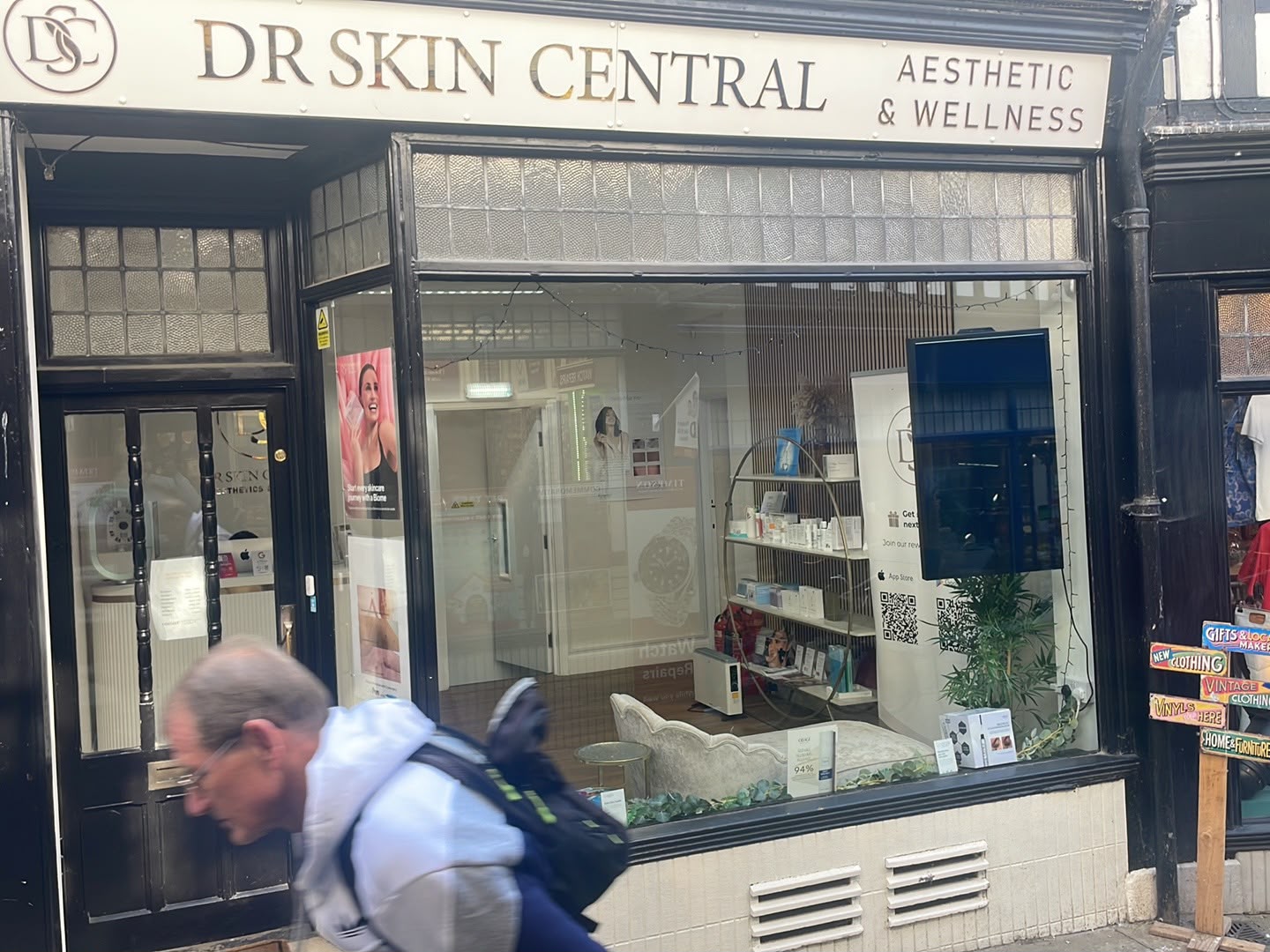
Dr Skin Central Diagnostics is based at 5 The Walk, Ipswich, Suffolk IP1 1EA and welcomes enquiries from people across Suffolk, Essex and Norfolk.

  • Ipswich
  • Felixstowe
  • Woodbridge
  • Stowmarket
  • Needham Market
  • Hadleigh
  • Kesgrave
  • Martlesham
  • Bury St Edmunds
  • Sudbury
  • Lowestoft
  • Colchester
Dr Skin Central clinic in Ipswich

Questions

Mole, wart and verruca FAQs

Do I need a referral to book?

Contact the clinic to confirm whether you can self-refer for this service. A suspicious or changing mole should still be taken through your GP or the appropriate NHS pathway promptly.

Will my mole, wart or verruca definitely be removed?

No. Assessment comes first. The safest next step may be reassurance, monitoring, treatment discussion or referral, depending on the lesion and your history.

Can I ask about more than one mark?

Ask the clinic how many lesions are included in the booked appointment and whether extra time or fees apply. Bring details and photographs for each concern.

How is a verruca different from a wart?

A verruca is a wart on the sole of the foot. It may develop hard skin over it and can be painful when standing or walking.

Can a wart or verruca return after treatment?

Yes. No treatment guarantees permanent clearance, repeat sessions may be needed and the lesion can recur.

What if the clinician is concerned about a mole?

Cosmetic treatment should not proceed. You should be given a clear route to an appropriate GP, dermatology or urgent NHS assessment and told what to do next.

Would you like a skin mark assessed?

Book an assessment to discuss what you have noticed and the safest next step, without assuming that treatment or removal will be appropriate.

Health and Care Professions Council logo
Care Quality Commission logo
General Medical Council logo
Information Commissioner's Office logo