
Private abdominal imaging

Abdominal & Organ Ultrasound Scans in Ipswich

Investigate persistent abdominal pain, bloating, swelling or abnormal blood-test results with a private organ ultrasound in Ipswich.

Ultrasound may not show every cause of abdominal symptoms. Air or bowel gas can obscure organs, and further tests may be recommended.

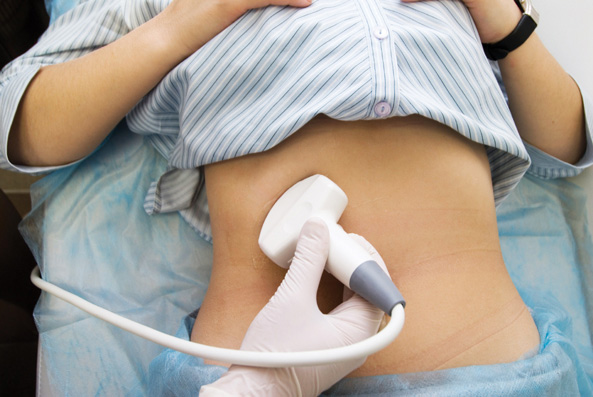
Abdominal ultrasound examination using a handheld transducer

Not sure which scan is right?

Discuss the right examination first

For £50, the clinical team can review your symptoms, help identify the most suitable scan and explain whether further imaging or referral may be appropriate.

No ionising radiation

Diagnostic ultrasound uses high-frequency sound waves to produce images.

Multiple abdominal organs

The requested examination determines which organs and structures are assessed.

Preparation matters

Fasting or a comfortably full bladder may be needed for a clear examination.

Report and next steps

Findings are provided in a report with guidance where follow-up is recommended.

About abdominal ultrasound

Real-time images of abdominal organs

An abdominal ultrasound uses high-frequency sound waves to create images of organs and other structures inside the abdomen. It can provide information about organ size, shape, position and appearance without using ionising radiation.

The exact structures examined depend on the clinical question and the scan booked. Ultrasound is often an initial investigation, but it does not always provide a complete or definitive diagnosis.

Abdominal ultrasound assessment

Structures that may be assessed

  • Liver
  • Gallbladder and bile ducts
  • Kidneys
  • Pancreas, where visible
  • Spleen
  • Bladder when included in the booked examination
  • Abdominal aorta or selected blood vessels when clinically indicated
  • Surrounding abdominal structures relevant to the examination

Prefer WhatsApp?

Request a callback

Share your details and continue in WhatsApp with this page and service already included.

Why might I need an abdominal ultrasound?

An abdominal scan may be considered when symptoms, blood-test results or an existing condition require assessment of abdominal organs.

  • Ongoing or unexplained abdominal pain
  • Abdominal swelling or bloating
  • Persistent digestive symptoms or indigestion
  • Changes in bowel habits that need clinical investigation
  • Nausea or vomiting
  • Abnormal liver or kidney blood-test results
  • Monitoring a known condition
  • A finding noted during a physical examination

What can an abdominal ultrasound show?

Depending on the organs examined, ultrasound may identify findings associated with gallstones, some kidney stones, cysts, fluid build-up, fatty-liver change, organ enlargement, inflammation or infection.

A finding on ultrasound is interpreted alongside your symptoms, medical history and any laboratory results. Further imaging or specialist review may be required.

How does an abdominal ultrasound work?

Water-based gel is applied to the abdomen and a handheld transducer is moved over the skin. Sound-wave echoes are converted into images on a screen as the examination takes place.

You may be asked to change position or hold your breath briefly so that particular organs can be seen more clearly. Some pressure may be needed over the area being examined.

What are the limitations of abdominal ultrasound?

Ultrasound waves are disrupted by air and gas, so the bowel and organs obscured by bowel gas can be difficult to assess. Body depth and the position of organs can also affect image quality.

A normal scan does not rule out every cause of abdominal pain or digestive symptoms. CT, MRI, endoscopy, blood tests or specialist assessment may sometimes be needed.

How to prepare for an abdominal or organ scan

Preparation depends on the organs being examined. You may be asked to avoid food for several hours or to arrive with a comfortably full bladder to improve image quality.

Follow the instructions supplied with your appointment. Contact the clinic in advance if you have diabetes, take medication that affects fasting or cannot follow the preparation safely.

What to expect on the day

The clinician will explain the procedure and answer questions before the scan. You will usually lie on an examination couch with the abdomen exposed while the images and measurements are obtained.

Appointments typically take 20 to 30 minutes. Most people can return to normal activities immediately afterwards unless advised otherwise.

Getting your results

The images are reviewed and a report is prepared. Results are provided digitally with an explanation of any recommended next step.

The clinic will confirm who reports the examination, the delivery method and the reporting timetable when your booking is accepted.


Serving Ipswich and surrounding areas

Private abdominal ultrasound in Ipswich

Dr Skin Central Diagnostics is based at 5 The Walk, Ipswich, Suffolk IP1 1EA and welcomes people travelling from Suffolk, Essex and Norfolk.

  • Ipswich
  • Felixstowe
  • Woodbridge
  • Stowmarket
  • Needham Market
  • Hadleigh
  • Kesgrave
  • Martlesham
  • Sudbury
  • Colchester
Dr Skin Central clinic in Ipswich

Questions

Abdominal ultrasound FAQs

Do I need a GP referral?

You can contact the clinic directly. It will confirm whether the requested examination is suitable and whether clinical information or a referral is needed.

Which organs are included in my scan?

This depends on the examination booked. The clinic should confirm the included organs and structures before your appointment.

Do I need to fast or have a full bladder?

Possibly. Preparation varies with the organs being examined, so follow the instructions issued for your specific appointment.

Will an ultrasound find every cause of abdominal pain?

No. Bowel gas and other factors can limit the view, and some conditions require blood tests, CT, MRI, endoscopy or specialist assessment.

How long does the scan take?

The examination usually takes about 20 to 30 minutes. The clinic will confirm the booked duration.

Ready to book a private abdominal ultrasound?

Contact the clinic if you are unsure which examination you need, or request an appointment in Ipswich.

Health and Care Professions Council logo
Care Quality Commission logo
General Medical Council logo
Information Commissioner's Office logo