
Prostate ultrasound scan in Ipswich
A prostate ultrasound can assess the prostate gland's size, shape, position and structure. It may support the investigation or monitoring of conditions such as benign prostate enlargement and prostatitis.
A scan cannot diagnose prostate cancer on its own. A raised PSA, urinary symptoms or a concerning finding may require GP or urology review, blood tests, MRI, biopsy or other investigation.
- Raised PSA on a blood test
- Frequent or urgent need to urinate
- Difficulty starting or stopping urination
- Weak or interrupted urine flow
- Waking often at night to urinate
- Pelvic pain or discomfort
- Blood in urine or semen
Testicular and scrotal ultrasound scan in Ipswich
Testicular ultrasound examines the testicles, epididymis and surrounding scrotal tissues. It can help show whether a lump appears fluid-filled or solid and can identify findings associated with hydroceles, varicoceles, inflammation and other abnormalities.
Ultrasound is useful when investigating a lump or swelling, but the images must be interpreted with your symptoms and clinical history. Any suspicious finding needs prompt medical follow-up and may require further tests.
- Testicular pain or discomfort
- Testicular or scrotal swelling
- A lump or hard area on a testicle
- Groin pain or heaviness
- Visible or felt swelling in the scrotum
- A change in testicle size, shape or feel
How are men's ultrasound scans performed?
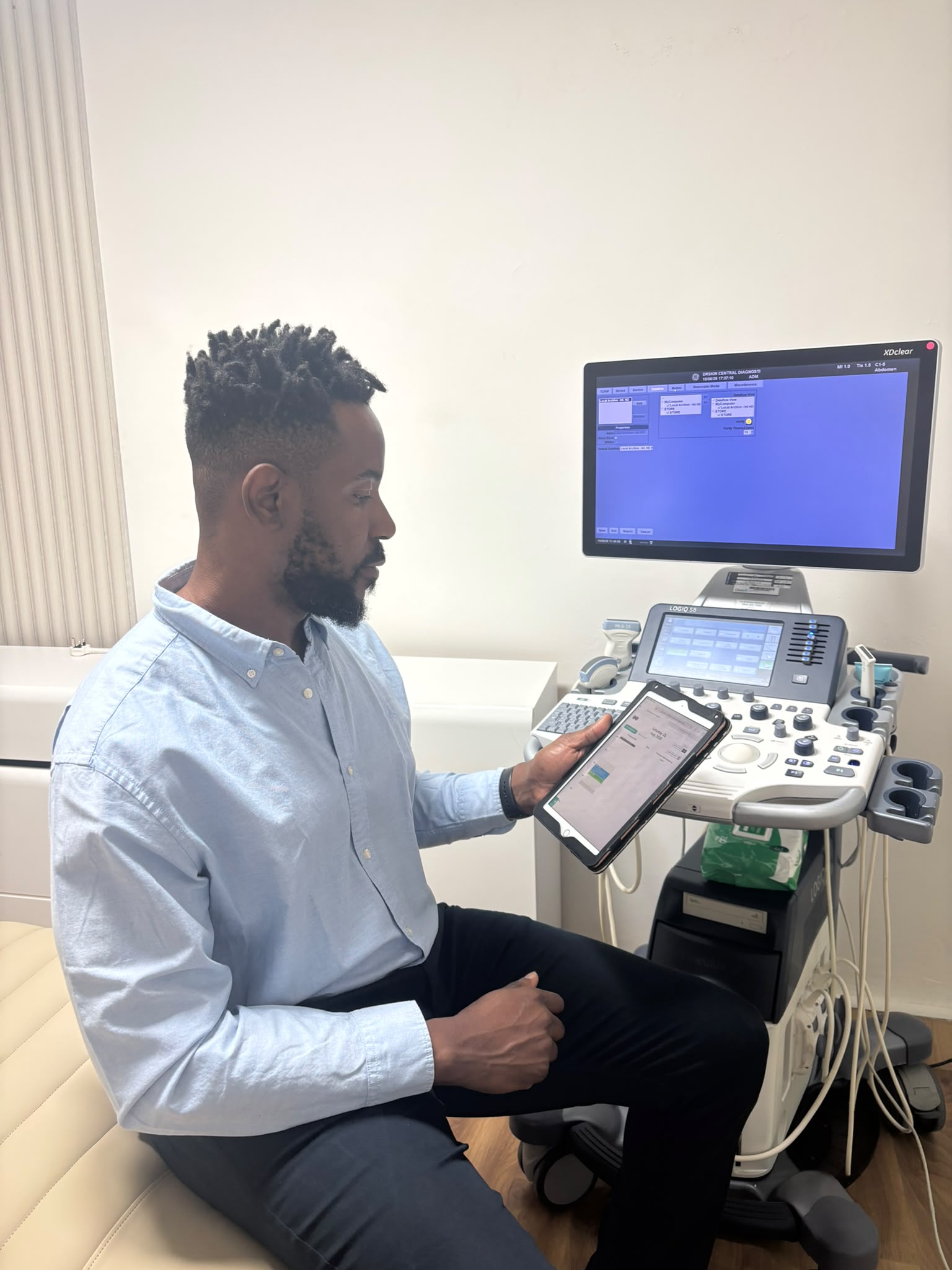
For a testicular or scrotal scan, gel is applied to the skin and a handheld transducer is moved over the area to obtain images.
Prostate imaging may use a small, covered and lubricated transrectal probe. If this examination is suitable, the clinician will explain it in advance, answer questions and obtain consent before proceeding.
How to prepare for a men's ultrasound scan
Preparation depends on the examination. No specific preparation is usually required for a testicular scan. Prostate-ultrasound instructions can vary, so follow only the directions issued with your appointment and do not fast unless the clinic specifically asks you to.
Arrive on time and bring any relevant clinical information, such as a recent PSA result, referral letter or previous imaging report if available.
What to expect at the appointment
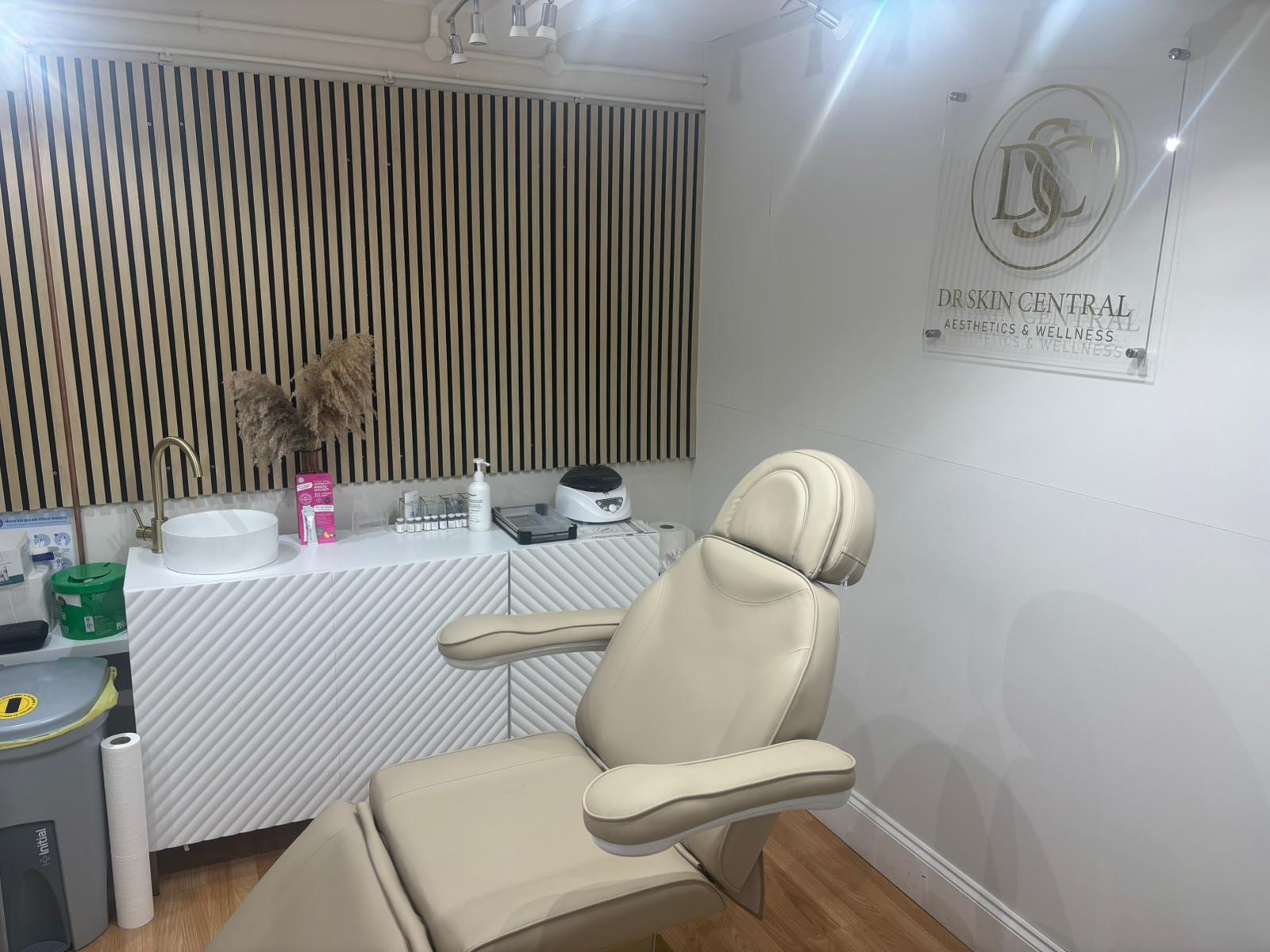
The clinician will confirm the reason for the scan and explain the examination before it begins. You may be asked to change into a gown and lie on an examination couch. Tell the clinician if you are uncomfortable or want the examination paused.
Ask the clinic about its chaperone arrangements when booking if this would make you more comfortable. Most people can return to normal activities immediately after a diagnostic scan unless advised otherwise.
Getting your results
Results are provided digitally, with a follow-up call from a clinician to explain the findings and discuss any next step. The clinic will confirm the exact reporting timetable when your booking is accepted.
If the scan identifies a finding that needs urgent or specialist assessment, the clinician will explain the appropriate referral or follow-up pathway.